
Do electrolytes break a fast?
If you do intermittent fasting, you've probably felt the headache, fatigue or lightheadedness that can show up late in a fast. Electrolytes help many people. The question is whether they cost you the fast.
Short answer
Plain electrolytes like sodium, potassium and magnesium have no calories, so they don't break a fast by most definitions. Mixes that add amino acids, sugar or other calories are different: a strict zero-calorie fast is technically broken, while many time-restricted eaters accept a few calories. Whether it matters depends on your fasting goal.
Why people want electrolytes while fasting
Electrolytes are minerals such as sodium, potassium, magnesium and chloride that help control fluid balance and keep muscles and nerves working. When you skip meals, you also skip the sodium and potassium that come with food. Some people feel that as headaches, low energy or cramps, especially if they train or work outdoors while fasting.
First, what does "break a fast" mean?
There isn't one official definition. It depends on why you're fasting:
- Strict or clean fasting: nothing with calories. Water, plain tea or black coffee only.
- Time-restricted eating for weight management: the main goal is eating fewer calories by shortening your eating window. A drink with 10 calories makes little difference to that goal.
- Fasting for a medical test or procedure: follow your doctor's instructions exactly. They come first.
- Religious fasting: follow the rules of your tradition.
Researchers studying intermittent fasting are still sorting out how much of the benefit comes from the fasting window itself versus simply eating less. A 2019 review in the New England Journal of Medicine covers what's known, and much of the strongest evidence is still in animals.
Plain electrolytes: no calories
Sodium, potassium, magnesium and chloride have no calories. A pinch of salt in water, or an electrolyte drink with no sugar, amino acids or other calorie sources, doesn't break a fast by any calorie-based definition.
Watch the sweeteners and fillers. Many electrolyte drinks contain sugar. Zero-sugar mixes use sweeteners like stevia, monk fruit or sucralose, which add little or no calories. Strict fasters sometimes avoid sweet tastes anyway; that's a personal call.
Mixes with amino acids: a few calories
Some hydration mixes add amino acids, the building blocks of protein. Amino acids do have calories, and leucine in particular is known to signal muscle building. So by a strict zero-calorie definition, an amino acid drink breaks the fast.
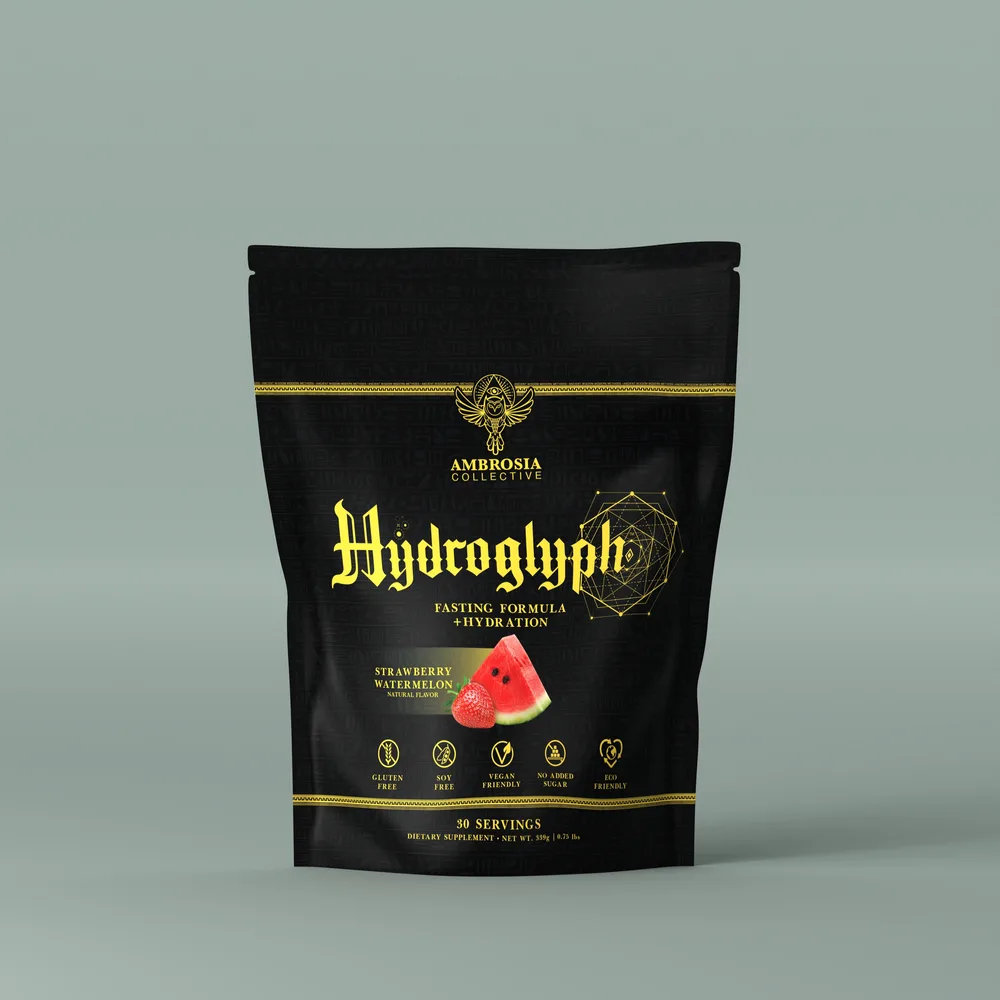
That's why some people use them on purpose. Hydroglyph is designed to be sipped during a daily fast or during training. Per scoop it lists 10 calories, 225mg sodium, 65mg potassium, 3,500mg Amino9® essential amino acids, 1,500mg BCAAs and 1,500mg myHMB®. The idea is to support lean muscle while you're not eating, at a very low calorie cost. If your goal is weight management through time-restricted eating, 10 calories is small. If you follow a strict clean fast, save it for your eating window or training.
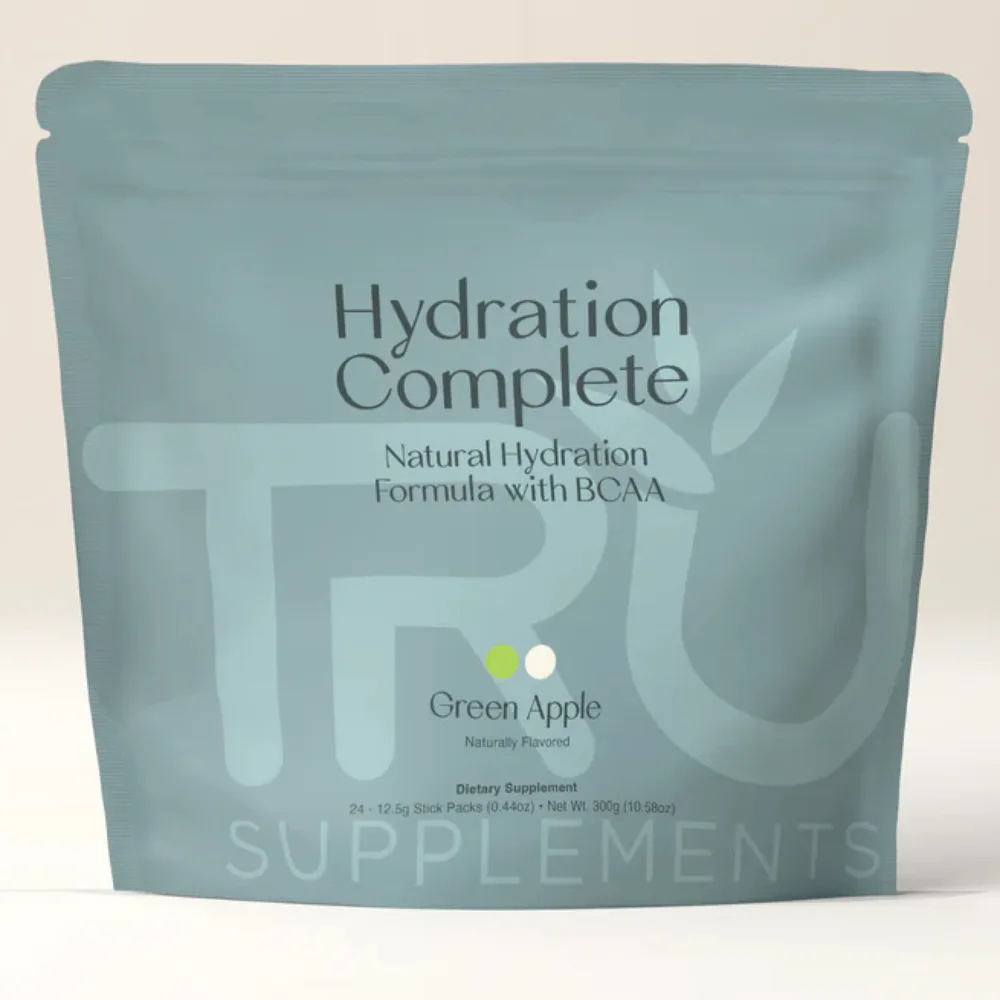
TRU Hydration Complete has more electrolytes per stick (450mg sodium, 300mg potassium, 120mg magnesium) plus 5,000mg BCAAs and 1,250mg L-carnitine L-tartrate, with no sugars. The BCAAs mean it isn't a strict zero-calorie drink either.
Signs you might be short on electrolytes
Common complaints late in a fast include headaches, tiredness, lightheadedness when you stand up, and muscle cramps. These are more likely if you sweat a lot, train while fasted, work outdoors or eat a low-carb diet. They can also have other causes, so don't assume electrolytes are the answer to everything.
Practical steps many people use: drink water steadily through the fasting window, add a pinch of salt or a zero-sugar electrolyte mix if you feel run down, and eat potassium-rich foods like vegetables, beans, potatoes and fruit during your eating window. If you feel faint, confused, or your heart is racing, end the fast, eat something and get medical advice.
How to choose based on your goal
- Strict clean fast: water with plain electrolytes or a pinch of salt. Save amino acid mixes for your eating window.
- Time-restricted eating for weight management: a low-calorie electrolyte or amino acid mix is a reasonable trade if it helps you stick with your schedule.
- Training while fasted: an electrolyte drink with essential amino acids, like Hydroglyph, is built for this.
- Medical fasting: ask your doctor before drinking anything other than water.
Who should be careful with electrolytes
If you have kidney disease, heart failure or high blood pressure, are on a low-sodium diet, or take blood pressure medication or diuretics, ask your doctor before adding electrolyte drinks, fasting or not. Extended fasts beyond a day, fasting with diabetes, and fasting while pregnant or nursing all call for medical guidance first.
Quick answers
Does salt water break a fast?
No. Salt has no calories. A pinch of salt in water is a common way to get sodium during a fast.
Do BCAAs break a fast?
Technically yes, by a strict zero-calorie definition, since amino acids have calories. Many people doing time-restricted eating accept them for training.
How many calories are in Hydroglyph?
10 calories per scoop, along with 225mg sodium, essential amino acids, BCAAs and myHMB®.
Does TRU Hydration have sugar?
No. TRU Hydration Complete lists no sugars and is sweetened with stevia, monk fruit and Reb M. It does contain 5,000mg BCAAs per stick.
Can electrolytes help with fasting headaches?
Some people find that adding sodium and potassium helps. If headaches are severe or keep coming back, stop fasting and talk to your doctor.
Sources
- MedlinePlus (U.S. National Library of Medicine). Electrolytes.
- de Cabo R, Mattson MP. Effects of Intermittent Fasting on Health, Aging, and Disease. N Engl J Med. 2019;381(26):2541-2551.
- NIH Office of Dietary Supplements. Dietary Supplements for Exercise and Athletic Performance (consumer fact sheet).
Keep reading
This guide is general information, not medical advice. These statements have not been evaluated by the FDA. Talk to your doctor before starting a supplement, especially if you are pregnant, nursing, take medication or have a medical condition.