
Does creatine cause hair loss?
It's one of the most common reasons people say no to creatine: a friend, a forum or a video said it makes your hair fall out. Here is where that idea came from and what researchers found when they tested it.
Short answer
No good evidence shows that creatine causes hair loss. The worry traces to one small 2009 study that saw a rise in DHT, a hormone tied to male-pattern baldness, but never measured hair. A 2025 randomized trial that checked both DHT and hair follicles found no difference between creatine and placebo.
Where the hair loss idea came from
Almost every hair loss claim about creatine points back to a single study published in 2009. Researchers gave 20 college rugby players creatine for three weeks: a week of loading at a high dose, then two weeks at a lower dose. They measured hormones in the blood.
Testosterone didn't change. A related hormone, dihydrotestosterone (DHT), went up: about 56% higher after the loading week and about 40% above the starting point after the lower-dose weeks. DHT matters here because it is the hormone most linked to male-pattern hair loss in people who are genetically prone to it.
What the study did not do is look at anyone's hair. No hair counts, no scalp photos, no reports of shedding. It was also small, short and had not been repeated. Still, "creatine raises DHT" turned into "creatine makes you bald" online, and the idea stuck.
What a 2025 trial found when it tested hair directly
In 2025 a team published a 12-week randomized, placebo-controlled trial in the Journal of the International Society of Sports Nutrition designed to answer the question head-on. Resistance-trained men took either 5 grams of creatine monohydrate a day or a placebo.
The researchers measured total testosterone, free testosterone and DHT at the start and end. They also checked hair with a trichogram (a count of hairs in the growing and resting phases) and a scalp imaging system that tracks hair density and thickness.
The result: no meaningful differences between the creatine and placebo groups in DHT, the DHT-to-testosterone ratio or any of the hair measures. In other words, the one thing the 2009 study was used to suggest, that creatine pushes DHT up enough to cause hair loss, did not show up when someone tested it properly.
What the broader research says
Creatine monohydrate is one of the most studied sports supplements there is. A 2021 review written by a group of creatine researchers looked at the hormone question across a dozen studies. Most found no change in testosterone or DHT, and the authors concluded that the current evidence does not show creatine causes hair loss or baldness.
The International Society of Sports Nutrition's position stand on creatine also describes it as well tolerated in healthy people at the usual daily serving.
What the research can't tell you yet
Being honest about the limits matters. The 2025 trial ran for 12 weeks, used one dose (5 grams a day) and included only men. It didn't split people by family history of hair loss. So no study can promise that creatine is irrelevant for every person over many years.
What can be said is this: the claim rests on one hormone result from a small study that never looked at hair, and the best direct test so far found nothing.
If hair loss runs in your family
- Hair loss has many causes. Genetics, age, stress, illness, diet changes and some medications all play a part. Thinning that starts while you happen to be taking a supplement isn't proof the supplement caused it.
- Talk to a dermatologist if you're noticing thinning, especially if you already take or are considering a hair loss medication.
- Keep the dose ordinary. Most people use 3 to 5 grams of creatine monohydrate a day. Loading phases at 20 grams a day are optional, and the 2009 hormone change was largest during loading.
- Watch it yourself. If you want peace of mind, take a few scalp photos in the same light before you start and every couple of months after.
Picking a creatine
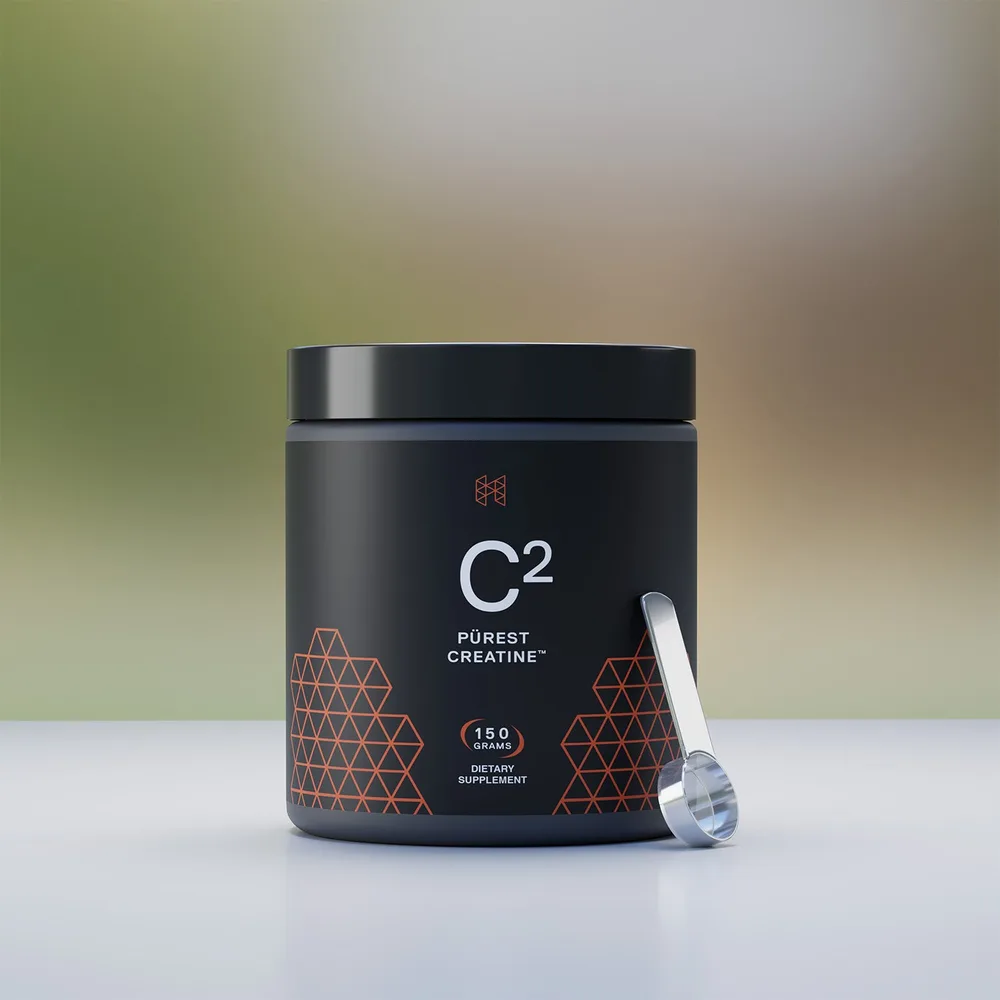
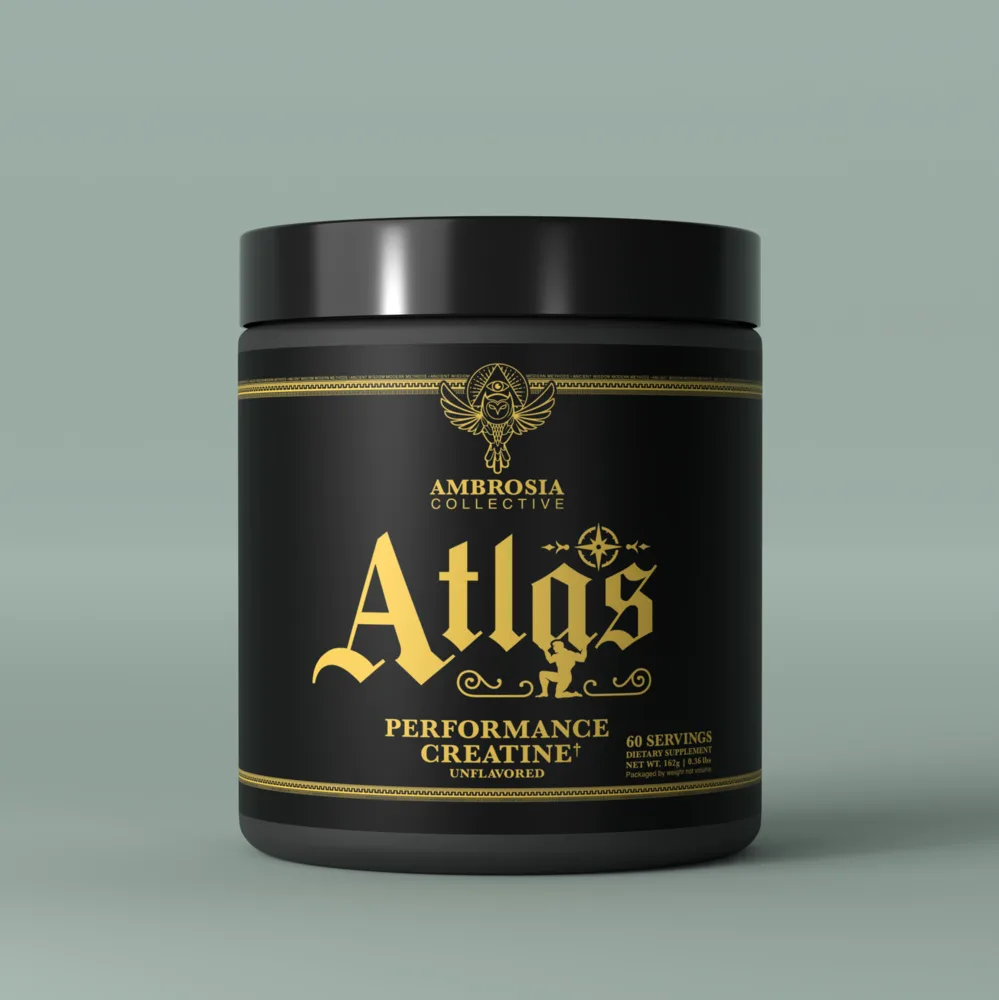
If you decide to try it, choose a plain creatine monohydrate from a brand that uses third-party testing. C2 Pürest Creatine is creatine monohydrate with no other ingredients, 2,500mg per scoop. Atlas Performance Creatine pairs 2,500mg of creatine monohydrate with an acetic acid complex and is BSCG Certified Drug Free. For dosing details, read how much creatine per day.
Quick answers
Does creatine raise DHT?
One small 2009 study in rugby players found a DHT increase. Most studies since then, including a 2025 randomized trial, found no meaningful change in DHT or testosterone.
Will creatine make me go bald if baldness runs in my family?
No study has shown that. The 2025 trial found no change in hair measures, but it didn't separate people by family history. If you're worried, talk to a dermatologist and keep to an ordinary 3-5 gram daily serving.
Should I skip the loading phase to protect my hair?
Loading isn't required. A steady 3-5 grams a day fills your muscles more slowly over about three to four weeks. The DHT change in the 2009 study was largest during loading, so skipping it is a reasonable choice if you're cautious.
Can women take creatine without hair concerns?
The hair loss studies so far have been in men. Women use creatine at the same 3-5 gram daily serving, and no research has linked it to hair loss in women. Pregnant or nursing women should ask their doctor first.
If I stop creatine, will hair grow back?
There's no evidence creatine causes hair loss in the first place. If you're losing hair, see a dermatologist to find the real cause.
Sources
- Does creatine cause hair loss? A 12-week randomized controlled trial. J Int Soc Sports Nutr. 2025.
- van der Merwe J, Brooks NE, Myburgh KH. Three weeks of creatine monohydrate supplementation affects dihydrotestosterone to testosterone ratio in college-aged rugby players. Clin J Sport Med. 2009;19(5):399-404.
- Antonio J, et al. Common questions and misconceptions about creatine supplementation: what does the scientific evidence really show? J Int Soc Sports Nutr. 2021;18:13.
- Kreider RB, et al. International Society of Sports Nutrition position stand: safety and efficacy of creatine supplementation in exercise, sport, and medicine. J Int Soc Sports Nutr. 2017;14:18.
Keep reading
This guide is general information, not medical advice. These statements have not been evaluated by the FDA. Talk to your doctor before starting a supplement, especially if you are pregnant, nursing, take medication or have a medical condition.